

Hydrangeas are unusually generous flowers because they can look spectacular when freshly cut, then continue look great long after they’ve passed their peak in your vase.
I recently visited specialist grower Perla Nova to find out how they handle cut hydrangeas, when they recommend picking them and what to do if you want to keep them going even longer.
I’m glad to say that none of it is that complicated, although timing can make a difference.
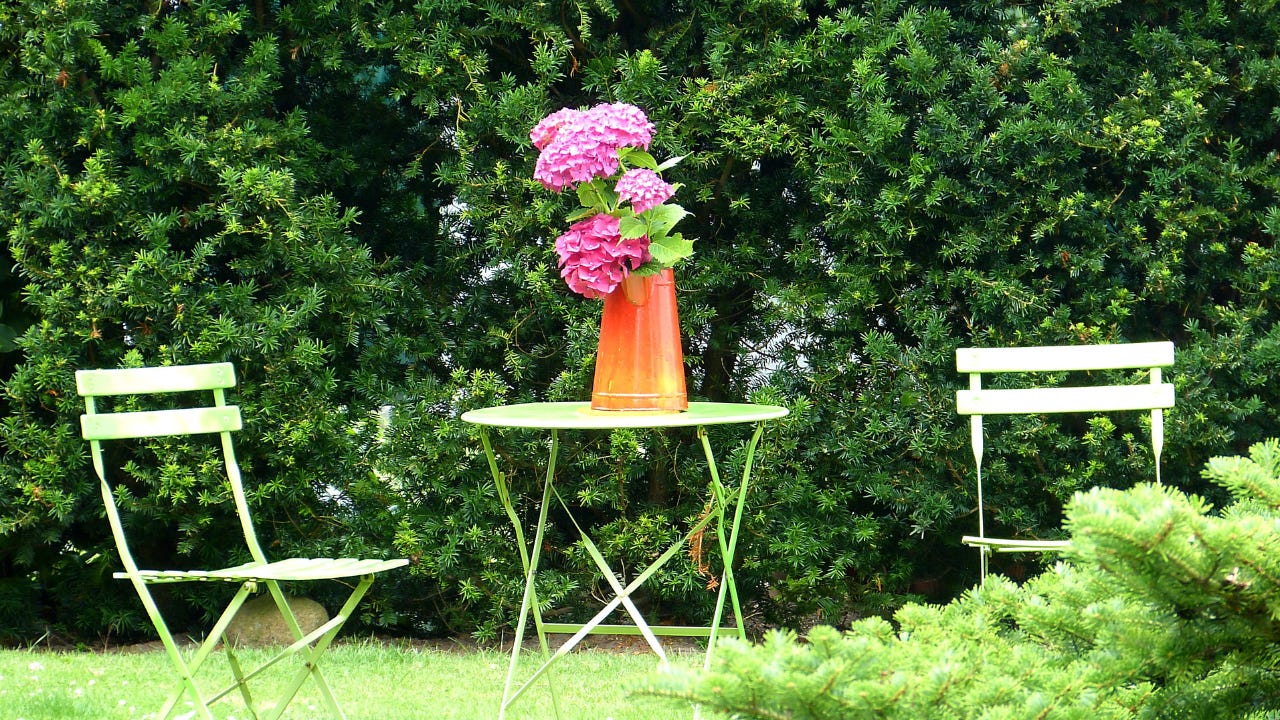
Cutting hydrangeas for the vase
If you are cutting hydrangeas from the garden, start with strong, healthy flower heads that have developed good colour and feel reasonably firm rather than soft or floppy.
It is best to cut during the cooler part of the day, when the plant is under less stress and the stems are better hydrated. One useful sign that the flower is ready is the beginning of pollen opening, which suggests that the bloom has started to mature.
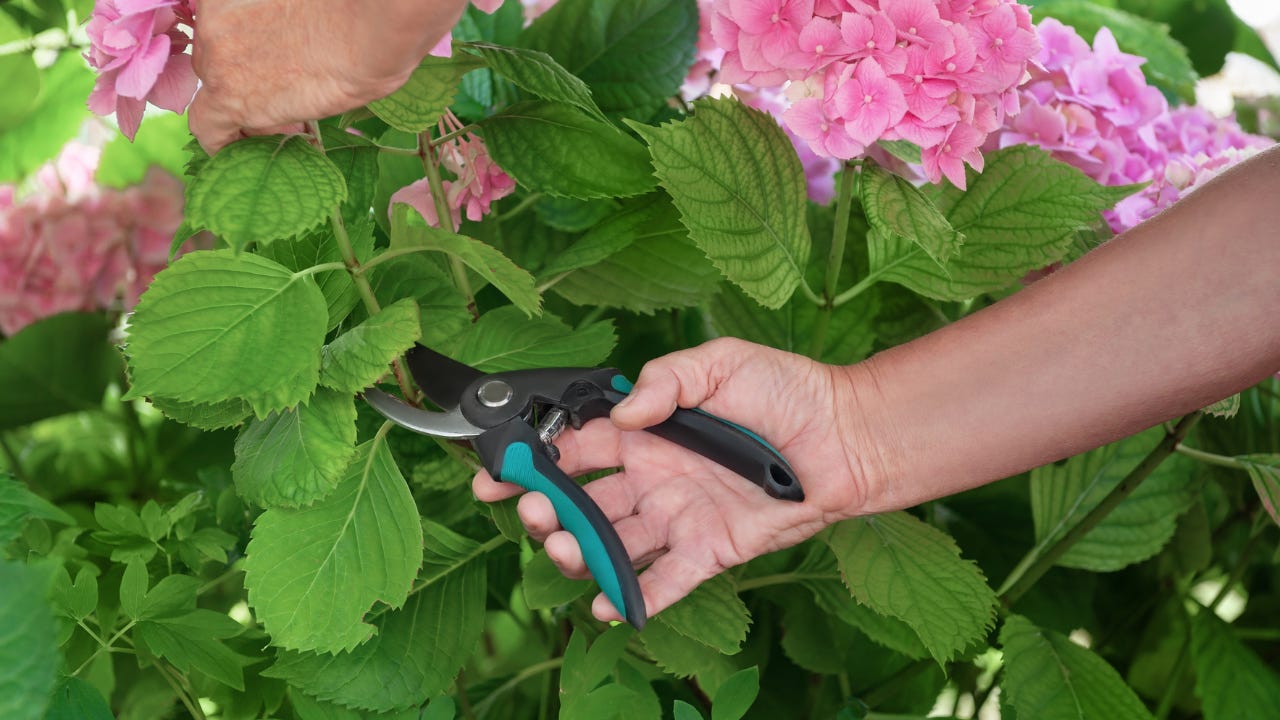
Once you have cut the stems, give them some time somewhere cool before arranging them. Hydrangeas are famously thirsty flowers, so they need access to plenty of clean water from the start.
Use a freshly washed vase, fill it with clean water and cut each stem at an angle before placing it in. Any leaves that would sit below the waterline should be removed, as submerged foliage quickly makes the water dirty.
Flower food can help too, particularly because keeping the water clean is one of the easiest ways to extend vase life.
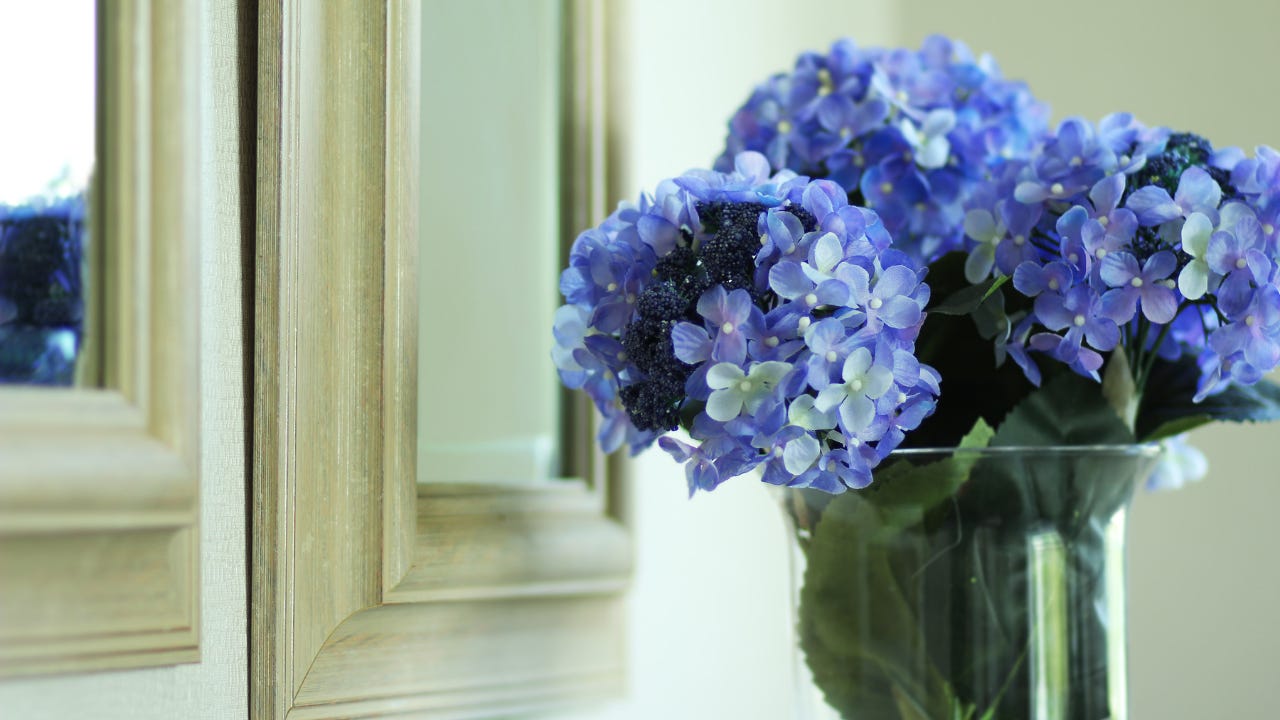
Once arranged, keep the flowers somewhere relatively cool and out of strong direct sunlight. Radiators and draughty spots are best avoided as well, because both can encourage the flowers to dehydrate more quickly.
With decent care, fresh hydrangeas can last for around two weeks, which is already fairly impressive for such large flower heads.
Let them change rather than throwing them out
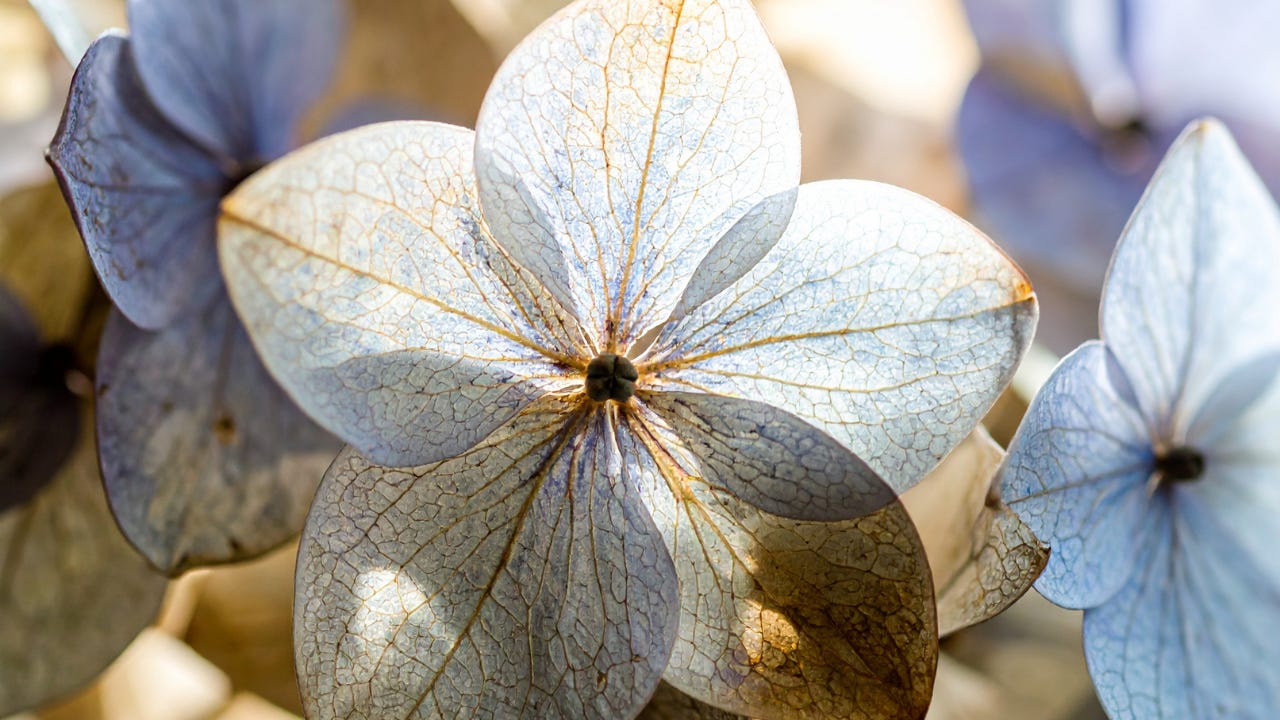
Hydrangeas often become more interesting as they age. The colours gradually soften, bright shades become more muted and some varieties start to pick up green or antique tones. At the same time, the petals become firmer and more papery.
This stage is usually not a sign that the flower is finished. In many cases, it is actually the point at which drying becomes a good option.
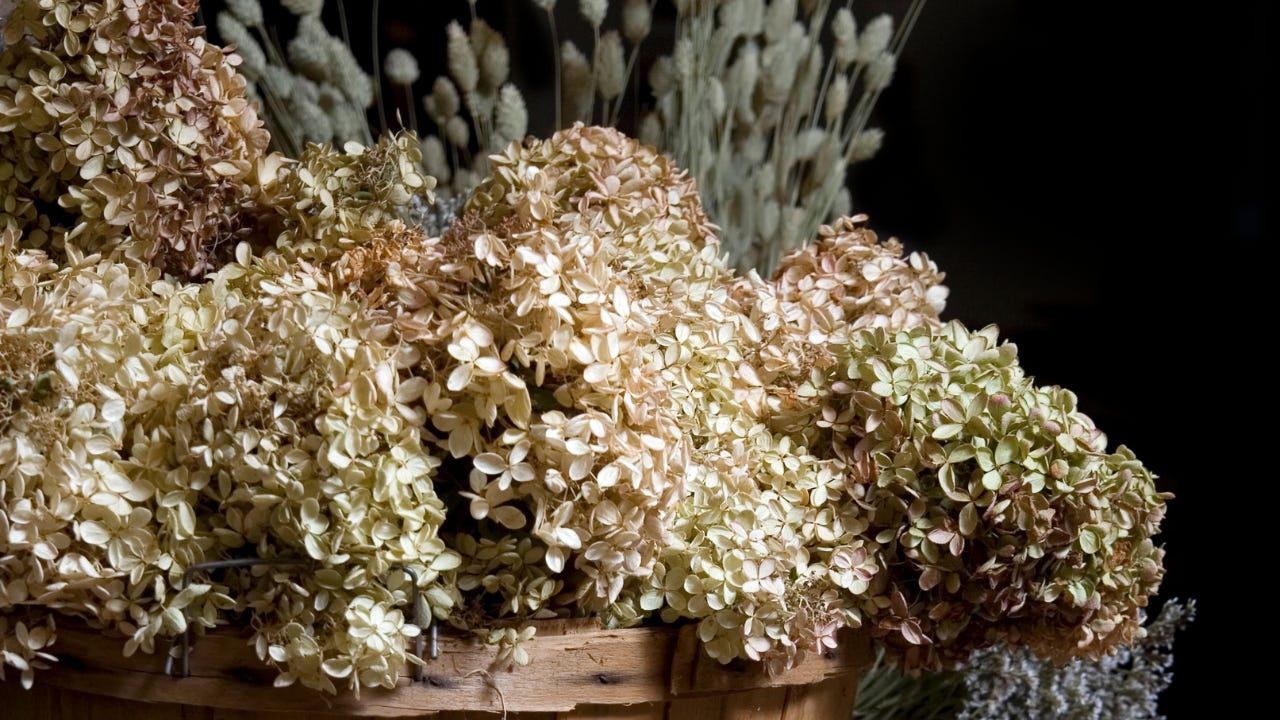
Which hydrangeas dry best?
Not every variety behaves equally well once the water disappears. Antique and green mophead hydrangeas are among the best choices because their flowers naturally become firmer and more papery as they mature.
Very soft or delicate varieties are less reliable, as they can collapse or lose their shape while drying.
The important thing is to wait until the flower head is mature enough. Trying to dry a hydrangea too early usually gives poorer results because the petals still contain too much moisture.
The easiest way to dry them
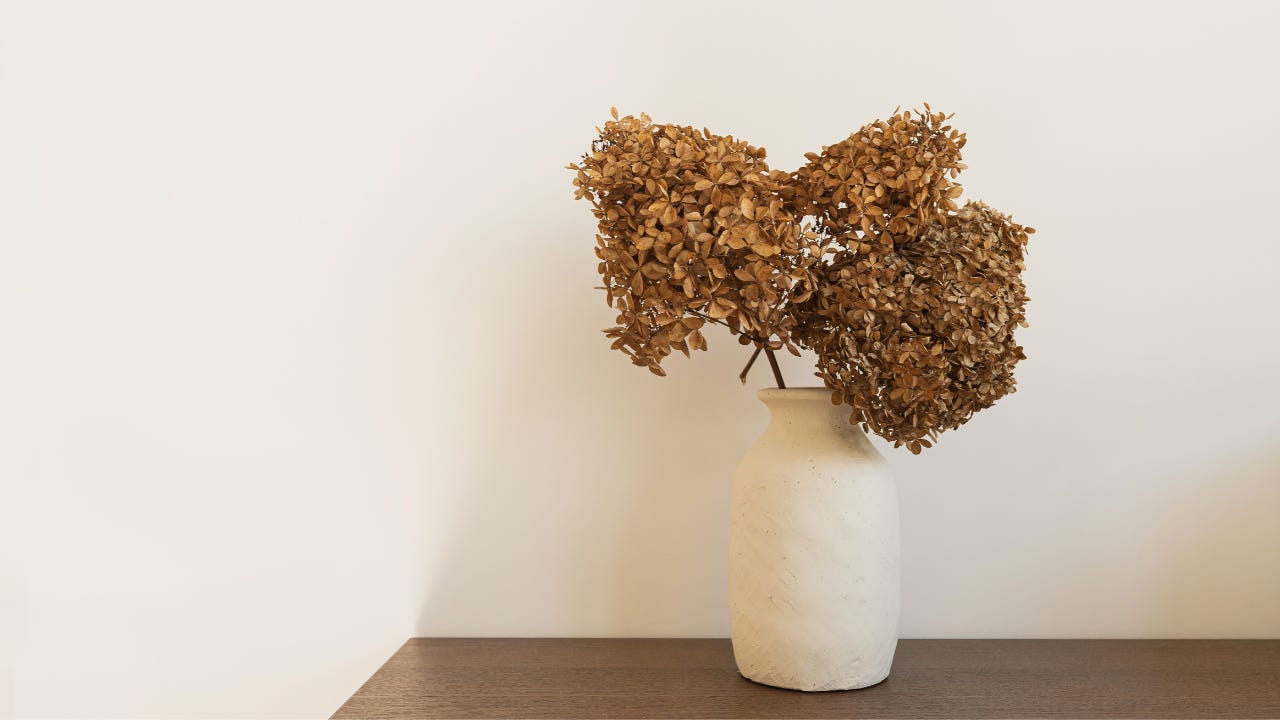
You don’t need any specialist equipment. Start with mature hydrangea stems, remove the leaves and place the flowers in an empty vase with no water. Then leave them somewhere dry and away from strong direct sunlight.
Over time, the remaining moisture leaves the flower heads and the petals gradually become crisp and papery while keeping much of their original shape.
Smaller heads can also be hung upside down, although simply leaving larger stems upright in a vase is often the easiest option.
The main advice from growers is not to rush the process. A flower that is properly mature before drying will usually hold its shape much better than one that has been cut too early.
What to do with dried hydrangeas
Once fully dry, hydrangeas are surprisingly useful around the house.
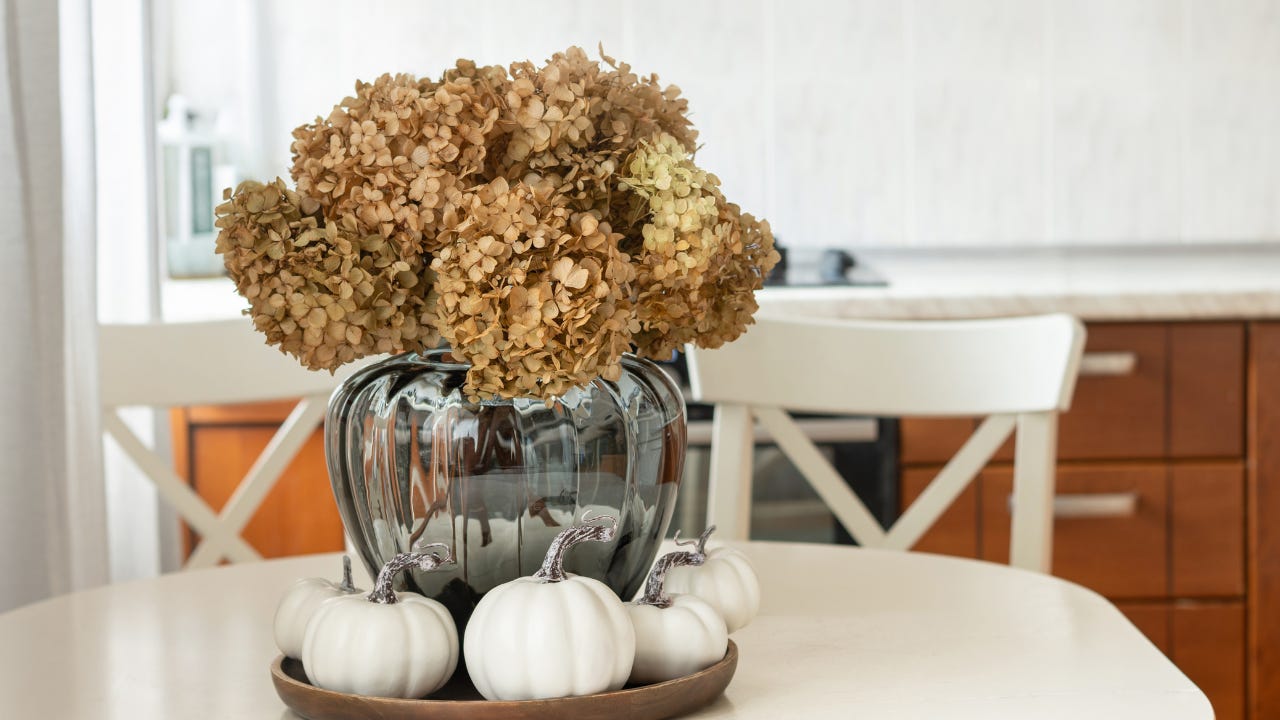
A single large head can look great on its own in a simple vase, while several stems together make a fuller display. They also work well alongside dried grasses or foliage and can be used in seasonal table arrangements, wreaths and other decorative displays.
You can also mix flower heads at different stages of fading, which tends to look more relaxed than trying to make everything match perfectly.
The colours will continue to change over time, but that is part of the appeal. Greens gradually become softer, pinks and blues become more muted and eventually you are left with the earthy browns and antique shades that dried hydrangeas are known for.
They can last much longer than you think
Well-dried hydrangeas can last for up to two years. They will not keep their original colour forever, but the shape and texture can remain intact long after the fresh flower has disappeared.
So if a hydrangea starts looking slightly tired in the vase, it is worth resisting the urge to put it straight in the compost!! Take away the water, let it dry naturally and see what happens. You might end up enjoying it for considerably longer than you expected.